ML and LLM Engineering Services for Production-Ready AI Products and Decision Systems
Quokka Labs engineers machine learning and LLM capabilities across data, models, applications, and infrastructure to build production-ready AI systems and help create measurable business value from complex AI workloads.
Applied ML and LLM Engineering Solutions for High-Value Technology Workflows
From controlled AI adoption and intelligent QA to knowledge-driven assistants, we engineer ML and LLM solutions that connect models with applications, data, workflows, and human oversight.
LLM Security & Governance
Control AI Interactions Before Risk Reaches Production
Implement runtime LLM controls that validate prompts and responses, detect injection attempts, prevent sensitive-data exposure, enforce policies, score risk, and maintain audit trails.
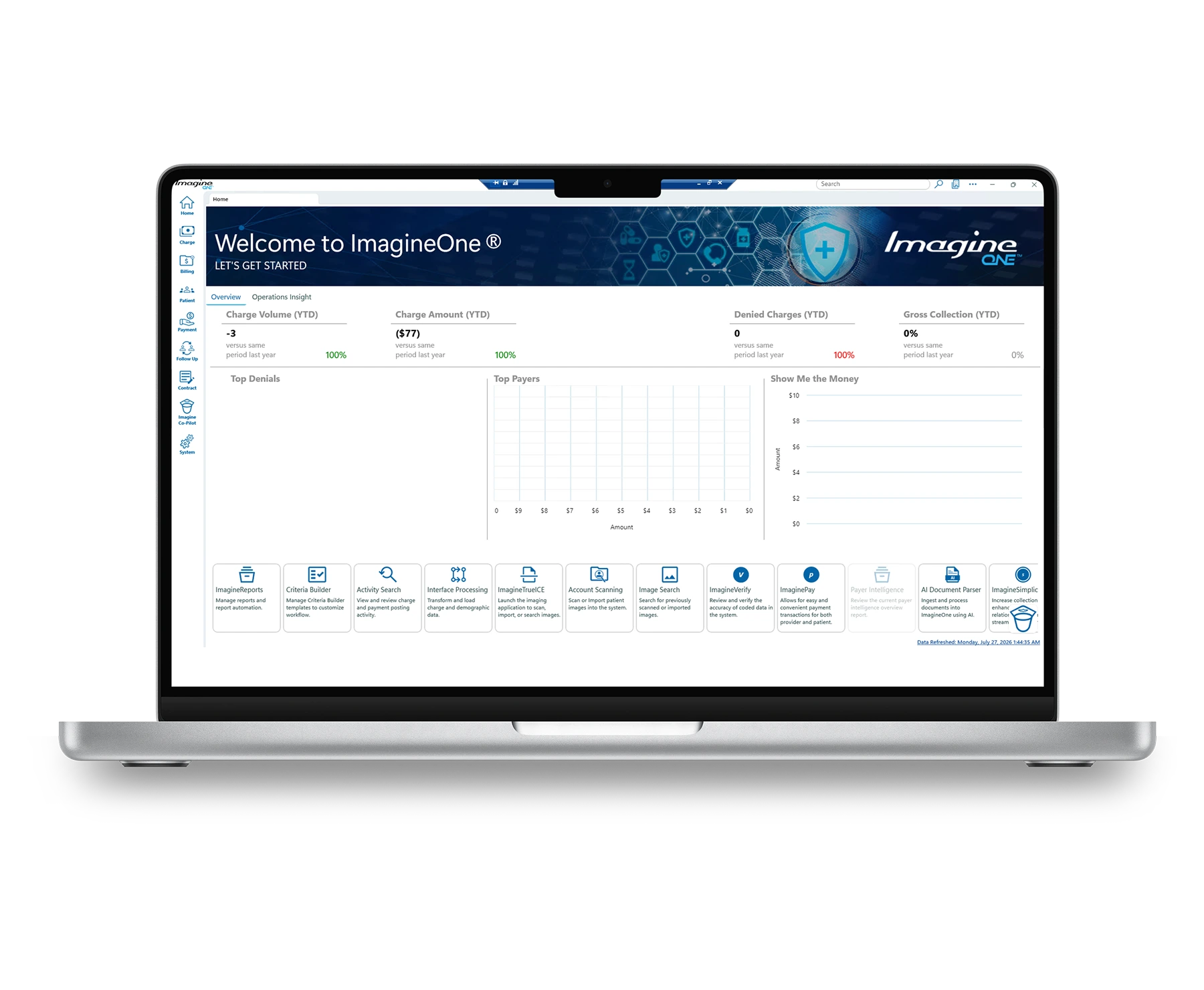
Transform Repetitive Testing Into Continuous Quality Validation
Apply AI-assisted test recording, automated test generation, intelligent assertions, regression execution, cross-browser validation, and CI/CD integration across software delivery workflows.
ML and LLM Engineering Services Across Models, Applications, and Infrastructure
Quokka Labs delivers ML and LLM engineering services spanning machine learning development, model deployment, LLM adaptation, computer vision, and application integration to engineer reliable AI capabilities aligned with business priorities.
ML Development
Develop predictive models for classification, forecasting, recommendation, anomaly detection, and decision support using engineered features, validated datasets, model benchmarking, and performance-focused architectures.
Adapt foundation models for specialized tasks, domain terminology, response formats, and instruction adherence through dataset curation, PEFT, LoRA, supervised fine-tuning, evaluation, and controlled releases.
Develop vision systems for image classification, object detection, segmentation, OCR, visual inspection, document understanding, video analytics, and real-time inference across specialized workloads.
Connect LLMs with applications, APIs, databases, retrieval systems, business tools, and workflows through context orchestration, structured outputs, tool calling, authentication, and controlled inference.
ML and LLM Engineering Services For Real-World AI Challenges
Quokka Labs applies ML and LLM engineering across product, workflow, security, and quality challenges, translating complex AI requirements into measurable improvements in performance, automation, and delivery.
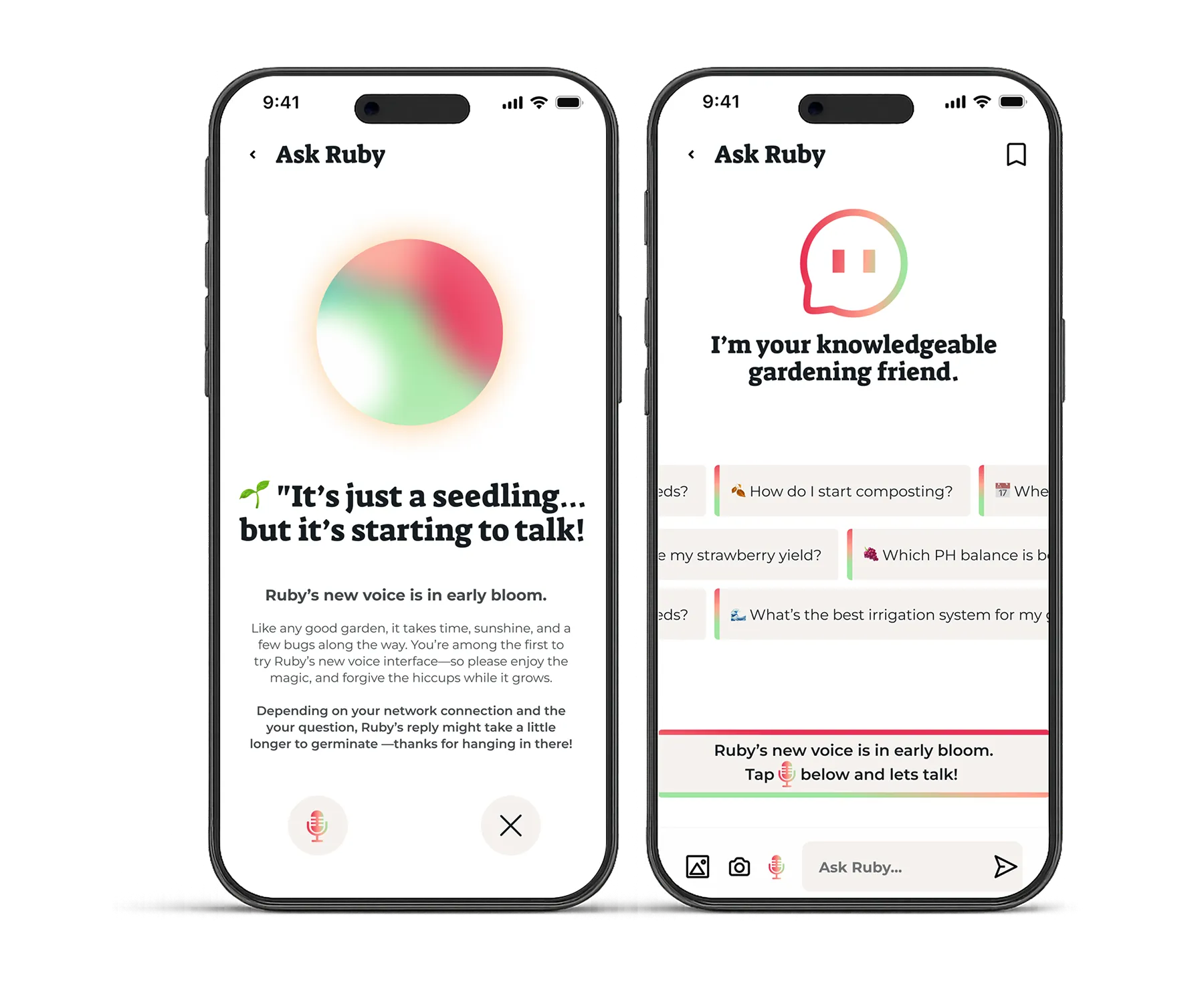
Rhubarb
Quokka Labs engineered Rhubarb’s AI gardening assistant using GPT, RAG, multi-agent workflows, personalization, and continuous learning to deliver context-aware recommendations and automated, hyper-local gardening support.
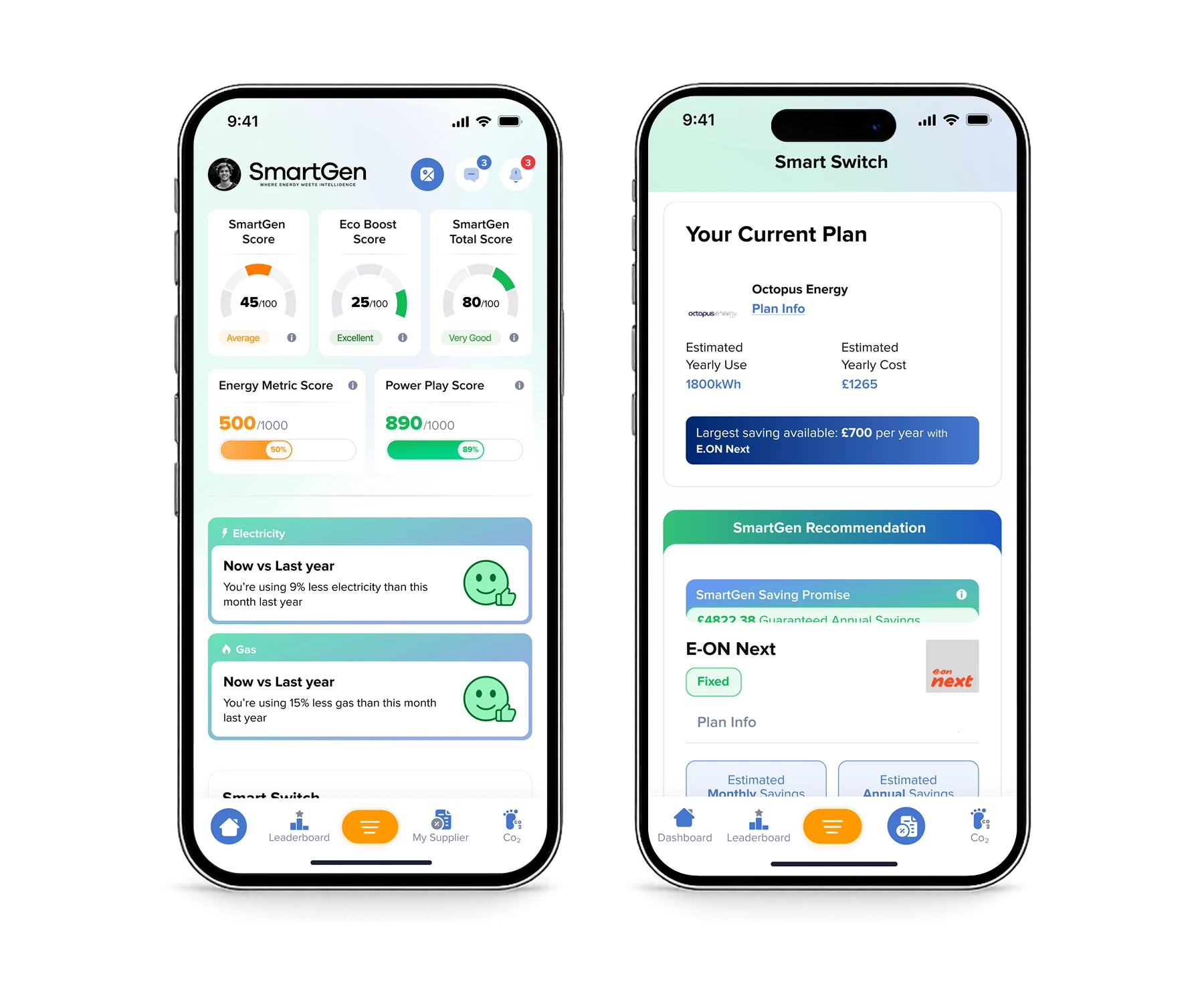
Quokka Labs engineered an AI energy intelligence platform that combines smart-meter data, real-time analytics, pattern detection, and personalized recommendations to translate consumption signals into actionable energy decisions.
How We Move From ML Model Development and LLM Adaptation to Production
Quokka Labs follows a structured ML and LLM engineering lifecycle spanning data preparation, model selection, fine-tuning, RAG, evaluation, application integration, deployment, MLOps, and continuous performance optimization.
1
Workload Discovery & Architecture
Define ML and LLM requirements, target outcomes, data dependencies, model constraints, latency thresholds, inference costs, integration points, and architecture decisions before implementation begins.
2
Data Engineering & Preparation
Build reliable data pipelines through ingestion, preprocessing, feature engineering, data validation, PII handling, dataset curation, and transformation for training and inference workloads.
3
Model Development & Adaptation
Develop and select ML models while optimizing LLMs through prompting, fine-tuning, PEFT, LoRA, and domain-specific datasets according to workload requirements.
4
RAG, Integration & Orchestration
Connect LLMs with knowledge sources, vector databases, applications, APIs, agents, and business tools through retrieval, context orchestration, tool calling, and structured outputs.
5
Evaluation & Production Validation
Validate model and application behavior through evaluation datasets, regression testing, groundedness and hallucination evaluation, safety checks, adversarial scenarios, human review, and performance benchmarking.
6
Deployment, MLOps & Optimization
Deploy ML and LLM workloads through automated pipelines, model serving, monitoring, drift detection, version control, cost tracking, rollback mechanisms, and continuous performance optimization.
Clinical NLP, medical imaging, predictive modeling, EHR/EMR data, FHIR and HL7 integrations, clinical decision support, and human-in-the-loop validation require controlled ML and LLM architectures with strong PHI protection and healthcare data governance.
Clinical NLP, medical imaging, predictive modeling, EHR/EMR data, FHIR and HL7 integrations, clinical decision support, and human-in-the-loop validation require controlled ML and LLM architectures with strong PHI protection and healthcare data governance.
-Financial Services
Fraud detection, KYC, AML, credit risk, transaction monitoring, anomaly detection, financial NLP, and explainable ML require traceable models, governed decision workflows, and controlled LLM applications.
-SaaS
Product copilots, RAG, semantic search, recommendations, multi-tenant AI architectures, vector retrieval, usage analytics, and API integrations enable context-aware capabilities within SaaS products.
-E-Commerce
Recommendation systems, demand forecasting, visual search, customer segmentation, dynamic pricing, conversational commerce, computer vision, and multimodal models support personalized experiences and merchandising decisions.
-Logistics
ETA prediction, route optimization, demand forecasting, shipment anomaly detection, document intelligence, IoT telemetry, warehouse analytics, and ERP integration support data-driven planning and execution.
-EdTech
Adaptive learning, academic copilots, learning analytics, knowledge retrieval, and privacy-conscious data governance require ML and LLM engineering that improves learning experiences and content delivery.
ML and LLM Engineering BuiltAround Security, Governance, and Compliance
Quokka Labs embeds security controls, governance practices, privacy safeguards, model evaluation, and regulatory requirements across ML and LLM development, deployment, integration, and lifecycle management.
NIST AI RMF
ISO/IEC 42001
ISO/IEC 23894
OECD AI Principles
NIST AI RMF
ISO/IEC 42001
ISO/IEC 23894
OECD AI Principles
NIST AI RMF
ISO/IEC 42001
ISO/IEC 23894
DAMA-DMBOK
TOGAF®
COBIT®
MITRE ATLAS™
NIST AI RMF
ISO/IEC 42001
ISO/IEC 23894
DAMA-DMBOK
TOGAF®
COBIT®
MITRE ATLAS™
GDPR
HIPAA
CCPA/CPRA
EU AI Act
DPDP Act
SOC 2
GDPR
HIPAA
CCPA/CPRA
EU AI Act
DPDP Act
SOC 2
MLflow
Arize AI
Fiddler AI
Evidently AI
WhyLabs
LangSmith
MLflow
Arize AI
Fiddler AI
Evidently AI
WhyLabs
LangSmith
OAuth 2.0
OpenID Connect
SSO
RBAC
Encryption
Data Loss Prevention
OAuth 2.0
OpenID Connect
SSO
RBAC
Encryption
Data Loss Prevention
Partner With Us
Why Technology Leaders Choose Quokka Labs for ML and LLM Engineering
Quokka Labs combines ML and LLM architecture expertise, model selection, inference optimization, evaluation, data engineering, and lifecycle management to align AI systems with demanding production requirements.
Model Architecture Expertise
We design ML and LLM architectures around workload requirements, model capabilities, data dependencies, retrieval patterns, inference constraints, and deployment targets.
Model-Agnostic Intelligence
Our engineers evaluate proprietary and open-source models against accuracy, context capacity, latency, licensing, deployment flexibility, and inference economics before recommending a model strategy.
Inference Performance
We optimize inference performance through model routing, quantization, batching, caching, context optimization, token management, and serving strategies aligned with workload demand.
AI Evaluation & Assurance
Through structured evaluation, we measure faithfulness, answer relevance, hallucination rates, retrieval quality, safety, toxicity, latency, and model behavior against defined performance criteria.
Data-Model Alignment
Our approach connects datasets, features, embeddings, retrieval sources, metadata, domain context, and model behavior to improve contextual relevance and measurable model performance.
Model Lifecycle Management
We manage model versions, deployments, monitoring, model and data drift detection, retraining, rollback, inference costs, and release controls throughout the ML and LLM lifecycle.
Our ML and LLM engineering expertise helps technology leaders make stronger model, architecture, performance, and lifecycle decisions.
Technology Choices Across the ML and LLM Engineering Stack
Quokka Labs works across established ML frameworks, foundation models, vector databases, cloud platforms, orchestration tools, data systems, and deployment technologies selected around workload requirements.
OpenAI
Insights & Perspectives
Engineering Insights on ML Models, LLMs, and AI Systems
Explore practical perspectives on model engineering, LLM fine-tuning, RAG, evaluation, inference optimization, MLOps, and emerging approaches shaping production AI systems.
How AI & ML Can Transform The Mobile App Industry?...
To tap into the next move of your users and mold them, artificial intelligence and machine learning services help you attain all the necessary, reliable, and efficient insights...
Why Top Mobile App Development Companies Are Adopting AI and Machine Learning to Transform App Experiences?...
Endless scrolling, inconsistent and irrelevant features, and recommendations that delay offering support frustrate users. If they can’t get a satisfying experience or response in an ideal timeframe, they become frustrated. As preferences and trends constantly evolve, mobile app development companies are finding new ways to anticipate user expectations...
How to Prevent Prompt Injection Attacks in LLMs...
Prompt injection is when untrusted text alters an LLM’s instructions. Prevent it with layered controls: validate/sanitize inputs, gate outputs, isolate tools and data via least privilege, require human approval for risky actions, log and monitor, and enforce AI security governance across development, deployment, and operations...
How AI & ML Can Transform The Mobile App Industry?...
To tap into the next move of your users and mold them, artificial intelligence and machine learning services help you attain all the necessary, reliable, and efficient insights...
Why Top Mobile App Development Companies Are Adopting AI and Machine Learning to Transform App Experiences?...
Endless scrolling, inconsistent and irrelevant features, and recommendations that delay offering support frustrate users. If they can’t get a satisfying experience or response in an ideal timeframe, they become frustrated. As preferences and trends constantly evolve, mobile app development companies are finding new ways to anticipate user expectations...
How to Prevent Prompt Injection Attacks in LLMs...
Prompt injection is when untrusted text alters an LLM’s instructions. Prevent it with layered controls: validate/sanitize inputs, gate outputs, isolate tools and data via least privilege, require human approval for risky actions, log and monitor, and enforce AI security governance across development, deployment, and operations...
Trusted by Teams Engineering ML and LLM-Powered Solutions
Quokka Labs supports technology teams with ML and LLM engineering across model development, LLM adaptation, AI integration, evaluation, deployment, and lifecycle management.
0+
Years of AI Engineering Excellence
0+
Models Deployed & Integrated
0+
Engineers, Architects & AI Specialists
0+
Industries Served
Start Your ML & LLM Initiative
Ready to Engineer Your Next ML or LLM Capability?
Whether you're evaluating a new ML workload, adapting an LLM, or scaling an existing AI capability, Quokka Labs helps turn technical requirements into production-ready systems.
ML & LLM Assessment
Evaluate workload requirements, data readiness, models, architecture, and production constraints.
Engineering Roadmap
Define the technical path from model development through deployment and MLOps.
Specialized Engineering Expertise
Access specialists across ML, LLMs, RAG, evaluation, inference, and lifecycle management.
Talk to ML & LLM Experts
ML and LLM Engineering FAQs
What is ML and LLM engineering services?
ML and LLM engineering services cover model development, LLM adaptation, RAG, data preparation, evaluation, application integration, deployment, MLOps, and lifecycle optimization for production AI workloads.
How do you choose between ML models and LLMs?
We assess the workload, data type, prediction requirements, reasoning needs, latency, accuracy targets, integration requirements, deployment constraints, and inference costs before selecting the appropriate model approach.
When should an LLM be fine-tuned instead of using RAG?
Fine-tuning suits specialized behavior, terminology, formatting, or instruction adherence, while RAG is generally better for connecting models with changing or private domain knowledge.
How do you evaluate LLM performance before production?
We evaluate dimensions such as faithfulness, answer relevance, retrieval quality, hallucination rates, safety, latency, throughput, and cost using representative datasets and automated evaluation frameworks.
Can you integrate LLMs with existing applications and data systems?
Yes. We integrate LLMs with APIs, databases, vector stores, knowledge repositories, business applications, authentication systems, and existing workflows through controlled application architectures.
How do you control LLM inference costs?
We optimize model selection, routing, token usage, caching, context size, batching, quantization, and inference infrastructure while tracking workload-level usage and cost metrics.
How do you secure ML and LLM applications?
We apply data protection, access controls, encryption, prompt and response guardrails, policy enforcement, evaluation, audit logging, and security practices aligned with applicable requirements.
What is involved in deploying ML and LLM models into production?
Production deployment can include containerization, model serving, CI/CD pipelines, model registries, API gateways, monitoring, observability, versioning, rollback mechanisms, and performance controls.
Do you support open-source and proprietary LLMs?
Yes. Our model-agnostic approach supports proprietary and open-weight models based on workload requirements, including models from OpenAI, Anthropic, Google, Meta, and Mistral.
How do you monitor ML and LLM systems after deployment?
We monitor latency, throughput, errors, token usage, inference costs, model drift, data drift, retrieval quality, output quality, and other workload-specific performance indicators.