Build AI-Ready Data Foundations for Modern Enterprise Intelligence
Quokka Labs helps organizations transform fragmented data into scalable, governed, and analytics-ready platforms. We engineer ETL/ELT pipelines, lakehouse architectures, real-time data workflows, and cloud data platforms that deliver secure and AI-ready data.
Engineering Data Platforms for Teams Building at Scale
We help product, engineering, and data teams build reliable data platforms through modern data integration, pipeline engineering, governance, and analytics that improve data quality, accessibility, and decision-making.
0+
Data Pipelines Engineered
0+
Years of Data Engineering Expertise
0+
Enterprise System and Cloud Integrations
0%
Data Quality Accuracy
Data Engineering Services
Data Engineering Services for Scalable, Governed, and AI-Ready Platforms
Quokka Labs delivers end-to-end data engineering services covering ETL/ELT, data integration, pipeline engineering, and governance to build reliable platforms for analytics, automation, AI, and informed decision-making.
Data Analytics Services
01
Transform operational and business data into actionable insights through modern analytics, governed data models, and reporting frameworks that support faster, data-driven decisions.
Build scalable business intelligence solutions with interactive dashboards, self-service reporting, KPI monitoring, and trusted insights that improve operational visibility and strategic planning.
Process and manage high-volume, high-velocity, and multi-source data using scalable architectures that support real-time analytics, operational intelligence, and advanced data processing.
Establish governance frameworks with metadata management, data lineage, quality controls, and access policies that improve data trust, compliance, and organizational accountability.
Data Migration Services
05
Migrate data across cloud platforms, databases, and legacy environments through structured migration strategies that preserve data integrity, minimize disruption, and improve platform performance.
Talk to our data engineering team to assess your current architecture, pipeline reliability, data quality, governance maturity, and AI readiness. We’ll help identify what needs to be modernized first.
Data Platforms Engineered for Faster Decisions and Smarter Operations
Explore how Quokka Labs has helped teams unify fragmented data, improve data accessibility, automate information workflows, and build scalable platforms for analytics, AI, and business intelligence.
Imagine
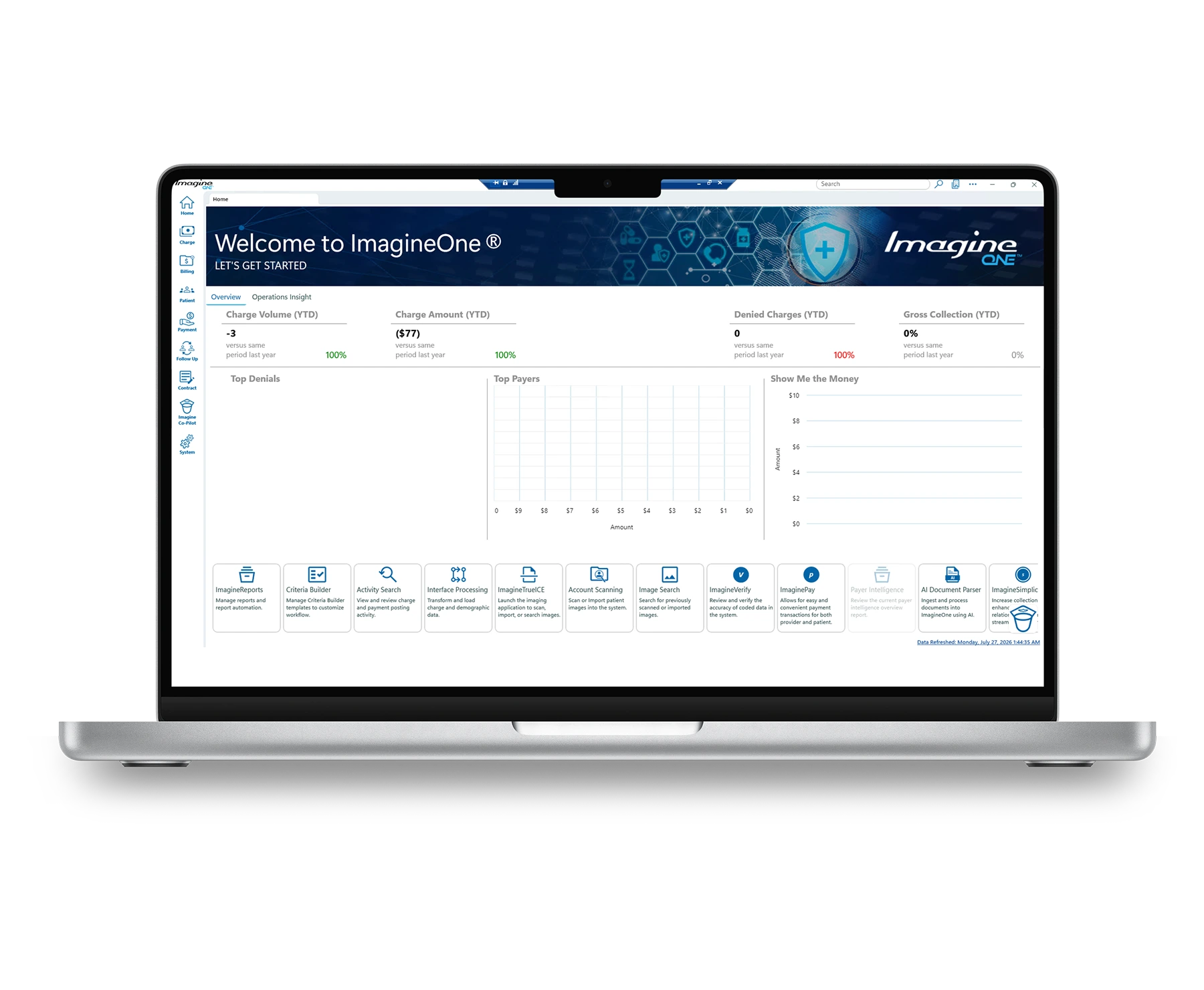
Quokka Labs developed a scalable healthcare data platform that unified revenue cycle data, automated claims processing workflows, and enabled real-time financial analytics across billing operations. The solution improved data accuracy, accelerated reimbursement workflows, and established a trusted data foundation for intelligent revenue cycle management.
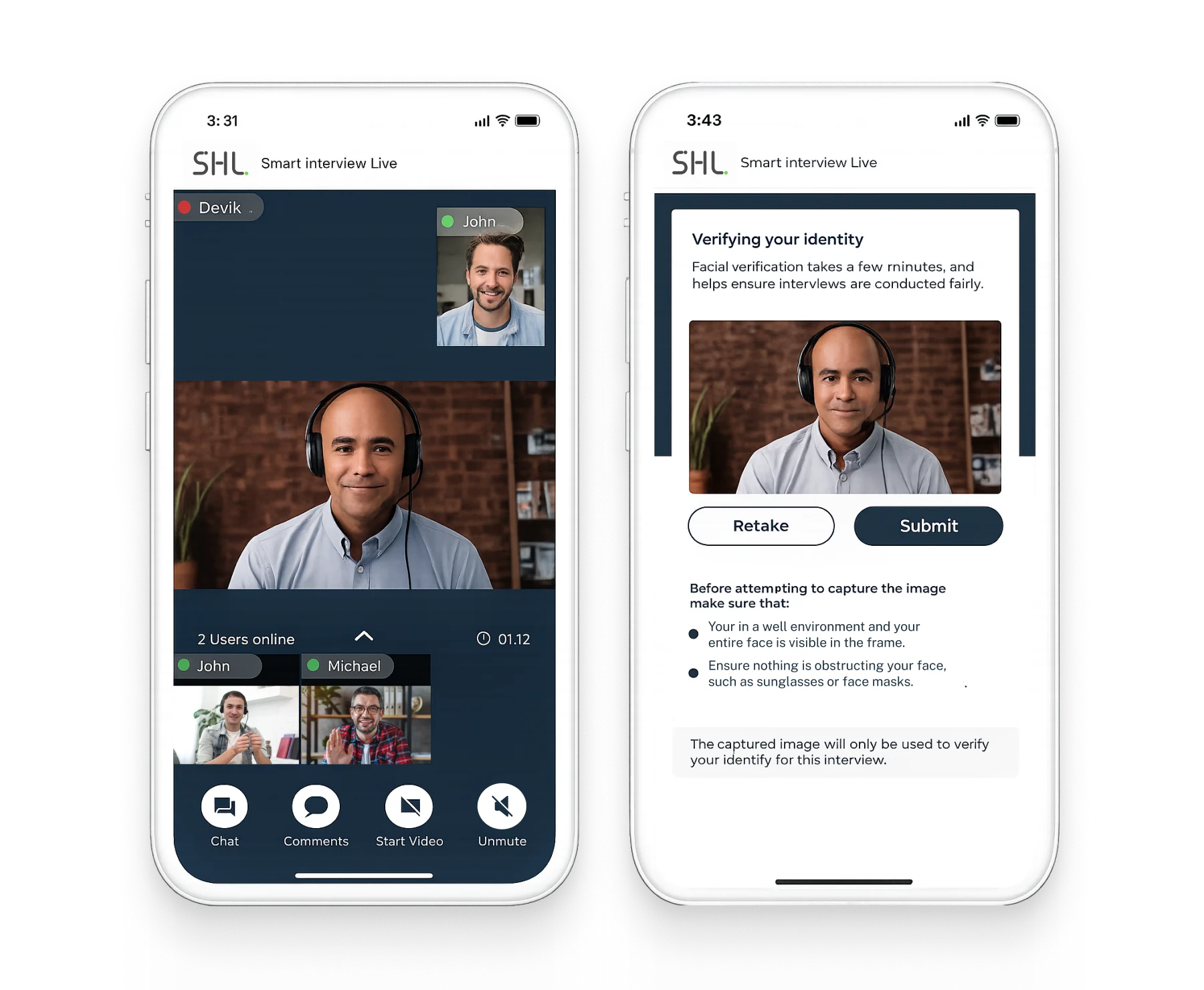
Quokka Labs developed a data-driven event operations platform that centralized participant information, streamlined event data management, and enabled intelligent workflow automation through contextual insights. The solution improved operational visibility while delivering reliable, real-time data for faster event execution.
Quokka Labs engineered a scalable data platform that unified assessment data, streamlined workforce analytics, and enabled real-time reporting across enterprise talent management workflows. The solution improved data accessibility, accelerated decision-making, and established a reliable foundation for workforce intelligence.
Data Engineering for Industry-Specific Operating Models
Quokka Labs engineers data platforms and pipelines around the way each industry operates, helping enterprises improve reporting, strengthen data trust, support automation, and prepare business-critical data for AI adoption.
Enterprise Data Platforms Built for Trust Control, and Compliance
Quokka Labs embeds security, governance, quality, and compliance controls into the data architecture from the outset. This helps enterprises protect sensitive information, maintain traceability, strengthen data reliability, and support regulatory requirements across analytics, automation, and AI initiatives.
HIPAA
GDPR
CCPA
DPDP Act
PCI DSS
SOC 2
ISO 27001
HIPAA
GDPR
CCPA
DPDP Act
PCI DSS
SOC 2
ISO 27001
Encryption at Rest
Encryption in Transit
RBAC
ABAC
Data Masking
Tokenization
Secrets Management
Encryption at Rest
Encryption in Transit
RBAC
ABAC
Data Masking
Tokenization
Secrets Management
Data Lineage
Metadata Management
Data Cataloging
Data Classification
Data Stewardship
Master Data Management
Data Lineage
Metadata Management
Data Cataloging
Data Classification
Data Stewardship
Master Data Management
Data Profiling
Schema Validation
Quality Rules
Pipeline Monitoring
SLA Monitoring
Audit Logs
Data Profiling
Schema Validation
Quality Rules
Pipeline Monitoring
SLA Monitoring
Audit Logs
Consent Management
Data Retention
Data Minimization
Sensitive Data Discovery
Policy Enforcement
Secure Disposal
Consent Management
Data Retention
Data Minimization
Sensitive Data Discovery
Policy Enforcement
Secure Disposal
Automated Testing
Failure Detection
Pipeline Recovery
Backup Controls
Incident Monitoring
Business Continuity
Automated Testing
Failure Detection
Pipeline Recovery
Backup Controls
Incident Monitoring
Business Continuity
Partner with us
Technical Depth for Building Reliable, Governed, and AI-Ready Data Ecosystems
Quokka Labs brings together product engineering, cloud architecture, data platform modernization, governance, and AI-readiness expertise to help enterprises build data ecosystems that are scalable, secure, and production-ready from the start.
Architecture-First Data Engineering
Strong data platforms start with the right architecture, not just the right tools. We assess your current data landscape, business workflows, integration complexity, governance needs, and future AI objectives before defining the right data engineering roadmap.
Cloud-Native Platform Expertise
Our teams design and modernize data platforms across cloud warehouses, data lakes, lakehouses, streaming systems, and hybrid environments. Whether your ecosystem uses Snowflake, Databricks, BigQuery, Redshift, Azure Synapse, or Microsoft Fabric, we engineer around your business architecture.
Reliable Pipeline Engineering
Enterprise data pipelines need to be resilient, observable, and maintainable. We engineer ETL/ELT, CDC, batch, streaming, and event-driven pipelines with orchestration, validation, monitoring, and recovery mechanisms built into the delivery lifecycle.
Governance and Security by Design
Data trust depends on more than storage and processing. We embed data quality, lineage, metadata management, access control, encryption, masking, auditability, and compliance considerations into the platform architecture from the beginning.
DataOps-Led Delivery
We bring software engineering discipline into data engineering through DataOps practices such as CI/CD, automated testing, version control, workflow orchestration, deployment governance, and continuous pipeline monitoring. This helps improve reliability and reduce operational risk.
AI-Ready Data Foundations
Modern AI initiatives depend on clean, governed, and accessible enterprise data. We help teams prepare data foundations for machine learning, generative AI, RAG systems, semantic search, intelligent automation, and decision-support applications.
Our approach is shaped around your current data platforms, integration landscape, governance requirements, and future business goals.
Engineering Across Modern Data AI, and Product Technology Stacks
Quokka Labs works across the modern technology ecosystem required to build scalable data platforms, AI-ready architectures, analytics systems, and enterprise-grade digital products. Our teams integrate with your existing cloud, data, application, and AI infrastructure instead of forcing a fixed technology stack.
Figma
Our Data Engineering Process
How We Take Data Platforms from Architecture Review to Production
Quokka Labs follows a structured engineering approach to modernize fragmented data systems, design scalable architectures, and deliver governed data platforms that are ready for analytics, automation, and AI-driven use cases.
1
Data Landscape Assessment
We begin by understanding your existing data ecosystem, including source systems, legacy databases, cloud platforms, reporting workflows, data ownership, quality issues, and business priorities. This helps identify what is working, what is slowing teams down, and where modernization will create the highest impact.
2
Use Case and Architecture Alignment
Before designing the platform, we map business use cases to data requirements, consumption needs, security expectations, and AI-readiness goals. This ensures the data architecture is built around real business workflows, not just around tools or infrastructure choices.
3
Platform and Pipeline Design
Our teams define the right architecture for data ingestion, transformation, storage, orchestration, governance, and consumption. Depending on the requirement, this may include cloud data warehouses, data lakes, lakehouses, real-time pipelines, batch processing, APIs, and event-driven data flows.
4
Data Integration and Engineering Build
We engineer reliable ETL/ELT pipelines, source integrations, data models, transformation layers, and workflow orchestration across enterprise systems. The focus is on scalability, maintainability, data accuracy, and consistent delivery across analytics, applications, and AI workloads.
5
Governance, Security, and Quality Controls
Data trust is built into the platform from the start. We implement quality validation, metadata management, lineage, access controls, encryption, masking, monitoring, and compliance-ready governance practices to make enterprise data secure, traceable, and reliable
6
Testing, Validation, and Production Deployment
Before production rollout, we validate data accuracy, pipeline performance, transformation logic, access policies, reporting outputs, and workload reliability. This reduces migration risk and ensures the platform performs consistently under real business conditions.
7
DataOps, Monitoring, and Continuous Optimization
After deployment, we help teams improve platform reliability through DataOps practices such as CI/CD, automated testing, pipeline observability, SLA monitoring, cost optimization, and ongoing performance tuning. This keeps the data ecosystem stable as data volume, use cases, and business needs to grow.
Insights for Building Reliable, Governed, and AI-Ready Data Platforms
Read expert perspectives on modern data engineering, lakehouse architecture, DataOps, governance, analytics modernization, and how enterprises can prepare their data ecosystems for automation, AI, and intelligent decision-making.
Data Engineer
How a Digital Transformation Strategy Can Boost Your Business?
Discover top digital transformation strategies essential for staying competitive in today's market. Learn why digital transformation is crucial,....
Hyperautomation: The Key to Digital Transformation
Hyperautomation is a business-driven, disciplined approach that organizations use to rapidly identify, vet, and automate as many business and IT processes as possible....
How Enterprise AI Solutions Transform Business Processes.....
Enterprise AI solutions are revolutionizing industries by automating workflows, enhancing decision-making, and optimizing operations. From healthcare and....
Hyperautomation: The Key to Digital Transformation
Hyperautomation is a business-driven, disciplined approach that organizations use to rapidly identify, vet, and automate as many business and IT processes as possible....
How Enterprise AI Solutions Transform Business Processes.....
Enterprise AI solutions are revolutionizing industries by automating workflows, enhancing decision-making, and optimizing operations. From healthcare and....
Ready to unlock greater value from your enterprise data?
Share your data modernization priorities, architectural challenges, or analytics objectives with our team. We'll help define a scalable data engineering strategy, enterprise architecture, and implementation roadmap aligned with your business goals.
Connect with Experts
Discuss your data engineering priorities with our specialists.
Architecture Strategy Review
Receive tailored recommendations for your data engineering roadmap.
15+ Years of Excellence
Delivering reliable data platforms across complex technology environments.
Discuss Your Data Engineering Goals
Data Engineering Services FAQs
Answers to common enterprise questions about data engineering, cloud data platforms, pipeline modernization, governance, DataOps, analytics readiness, and AI-ready data foundations.
What are data engineering services?
Data engineering services help enterprises design, build, modernize, and manage the systems that collect, integrate, transform, store, and deliver reliable data across the organization. These services include data pipelines, ETL/ELT workflows, cloud data platforms, data warehouses, lakehouses, governance frameworks, and observability practices that support analytics, reporting, automation, and AI initiatives.
Why is data engineering important for enterprise analytics and AI?
Enterprise analytics and AI depend on data that is accurate, accessible, governed, and available at the right time. Without strong data engineering, teams often face inconsistent reporting, poor data quality, disconnected systems, and AI models that cannot move beyond experimentation. A modern data engineering foundation helps organizations create trusted data pipelines, scalable platforms, and reusable data assets for business intelligence, machine learning, and generative AI.
When should an enterprise modernize its data architecture?
An enterprise should consider data architecture modernization when legacy systems, manual reporting, fragmented databases, slow dashboards, unreliable pipelines, or poor data quality begin limiting business decisions. Modernization is also important when organizations are moving to the cloud, adopting real-time analytics, preparing for AI use cases, or trying to improve governance, security, and scalability across data operations.
What is the difference between a data warehouse, data lake, and data lakehouse?
A data warehouse is designed for structured data, business reporting, and analytics performance. A data lake stores large volumes of structured, semi-structured, and unstructured data in its raw format. A data lakehouse combines the flexibility of a data lake with the governance, performance, and reliability features of a data warehouse, making it suitable for modern analytics, machine learning, and AI-ready data platforms.
How do data engineering services improve data quality and governance?
Data engineering improves data quality and governance by introducing validation rules, metadata management, lineage tracking, access controls, schema checks, monitoring, and standardized transformation logic. These practices help enterprises understand where data comes from, how it changes, who can access it, and whether it is reliable enough for reporting, compliance, analytics, automation, and AI-driven decision-making.
Can modern data platforms integrate with existing enterprise systems?
Yes. Modern data platforms can integrate with existing enterprise systems such as CRMs, ERPs, payment platforms, product applications, databases, cloud services, APIs, data warehouses, and legacy systems. The goal is not always to replace existing infrastructure immediately, but to create a scalable data architecture that connects critical systems, improves interoperability, and makes enterprise data easier to use across analytics and AI workflows.
What is DataOps and why does it matter in enterprise data engineering?
DataOps applies software engineering practices to data pipelines and data platforms. It includes CI/CD, automated testing, version control, orchestration, monitoring, incident handling, and continuous improvement for data workflows. DataOps helps enterprises reduce pipeline failures, improve deployment consistency, increase trust in data products, and maintain reliable data delivery as business requirements, data volumes, and analytics use cases grow.
How does data engineering make enterprise data ready for generative AI and RAG systems?
Generative AI and RAG systems require data that is clean, governed, searchable, well-structured, and connected to the right business context. Data engineering prepares this foundation through data ingestion, transformation, metadata management, semantic layers, vector indexing, access control, and quality validation. This helps enterprises build AI systems that can retrieve trusted information, support intelligent automation, and deliver more reliable outputs.









.webp)