Engineer Enterprise AI Agents for Secure, Scalable Outcomes
Quokka Labs architects governed agentic systems that automate complex workflows, integrate with enterprise platforms, reduce operating costs and latency, accelerate decisions, and scale reliably from pilot to production.
AI-Native Solutions Built for Enterprise-Scale Execution
Extend AI from strategy to production with intelligent assistants, autonomous QA, and governed deployment systems that improve productivity, release velocity, compliance, and operational control.
Enterprise AI Chatbots & Assistants
Transform Enterprise Knowledge into Actionable Intelligence
Deploy context-aware AI assistants using RAG, enterprise search, tool calling, and multi-system orchestration to automate support, internal knowledge retrieval, employee workflows, customer interactions, and complex conversational operations.
Operationalize AI Without Compromising Enterprise Control
Deploy governed AI environments with RBAC, model guardrails, prompt-injection protection, PII controls, audit trails, policy enforcement, observability, and compliance-aligned controls across models, agents, and enterprise applications.
Engineering Enterprise AI Agent Development Services for Secure, Autonomous Operations
Our custom AI agent development services for enterprises architect, integrate, and operationalize governed agentic systems that automate high-value workflows, reduce decision latency, and scale securely across enterprise data, applications, and cloud environments.
01
AI Agent Strategy & Architecture
Map high-value use cases, autonomy thresholds, data readiness, model strategy, ROI, and target architecture to establish a governed roadmap from proof of value to enterprise deployment.
02
Custom AI Agent Development
Engineer domain-specific agents with planning, tool invocation, persistent memory, guardrails, human-in-the-loop controls, and deterministic fallbacks for mission-critical enterprise workflows.
03
Multi-Agent Systems & Orchestration
Design supervisor-worker and event-driven architectures that decompose complex processes, coordinate specialized agents, and execute cross-functional workflows with traceable state and context management.
04
Enterprise RAG & Knowledge Agents
Build grounded agents using enterprise RAG, vector retrieval, semantic search, knowledge graphs, and permission-aware context pipelines for accurate, explainable institutional knowledge access.
05
Secure Enterprise Integration
Connect AI agents with ERP, CRM, ITSM, data platforms, legacy applications, and proprietary APIs using zero-trust controls, RBAC, encryption, policy enforcement, and audit logging.
06
Deployment, LLMOps & Governance
Operationalize AI agents through containerized cloud deployment, CI/CD, evaluation harnesses, observability, cost controls, drift monitoring, red teaming, and continuous model optimization.
Enterprise AI Agent Portfolio
Enterprise AI Agents Engineered for Measurable Operational Impact
Explore production-grade agentic systems delivering autonomous workflow execution, governed AI adoption, lower operational latency, and measurable efficiency across consumer, healthcare, and enterprise security environments with our enterprise ai agent development services.
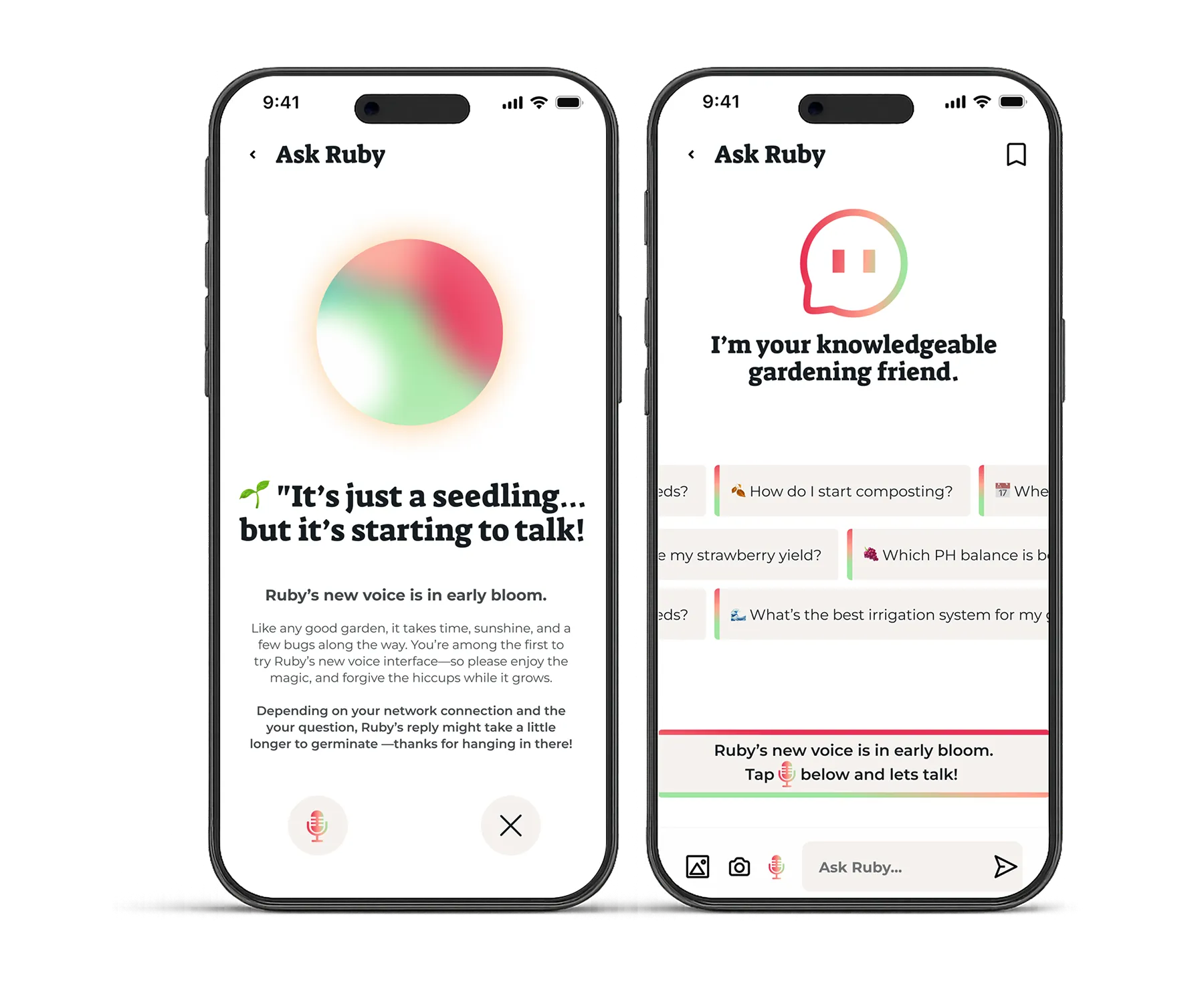
Rhubarb
An agentic GPT-and-RAG gardening assistant delivering context-aware, hyper-local recommendations, predictive care alerts, grounded knowledge retrieval, and automated task orchestration through personalized user and environmental data.
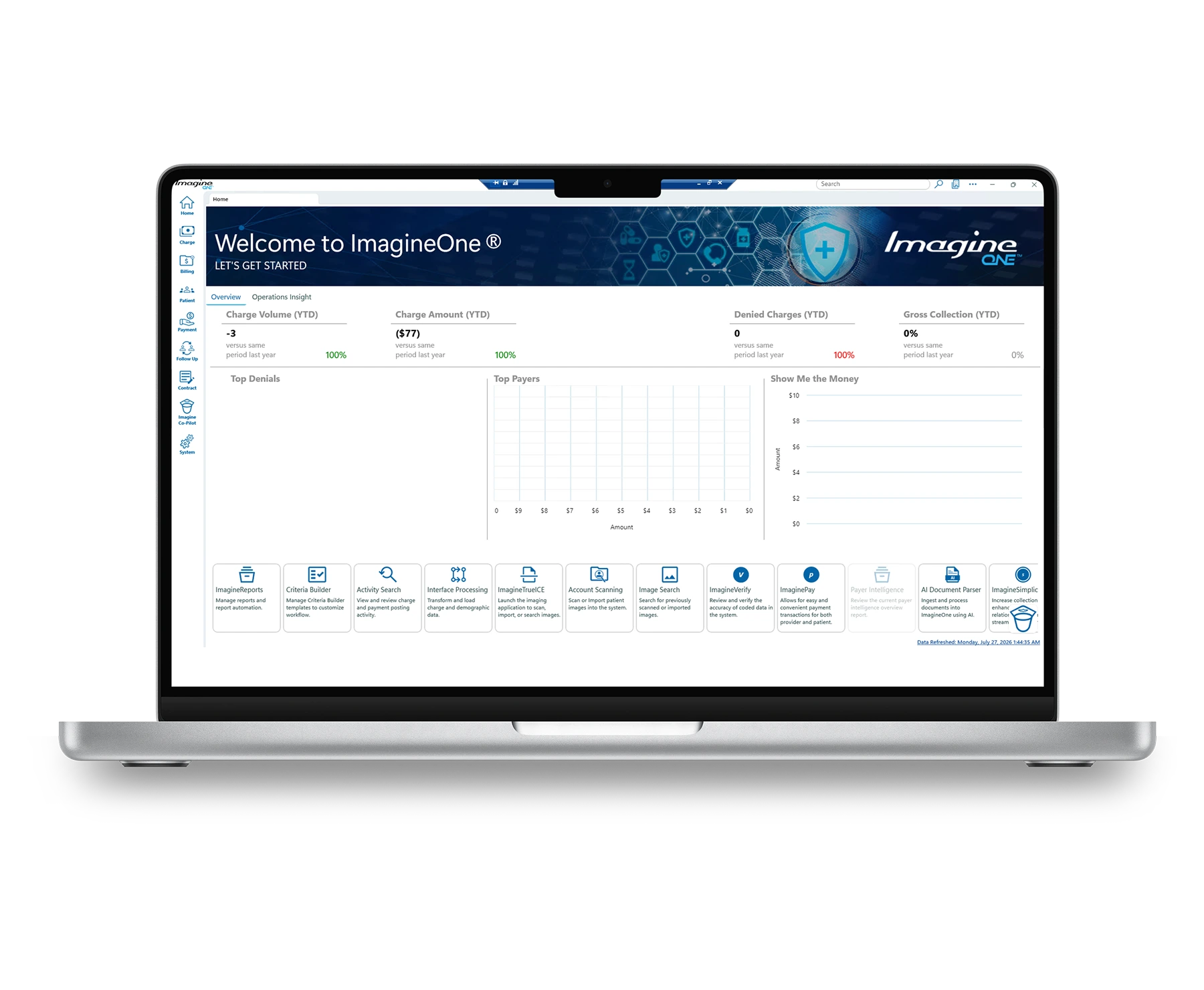
An AI-driven revenue-cycle platform unifying billing operations through autonomous learning, robotic process automation, intelligent exception resolution, and end-to-end workflow orchestration for high-volume healthcare environments.
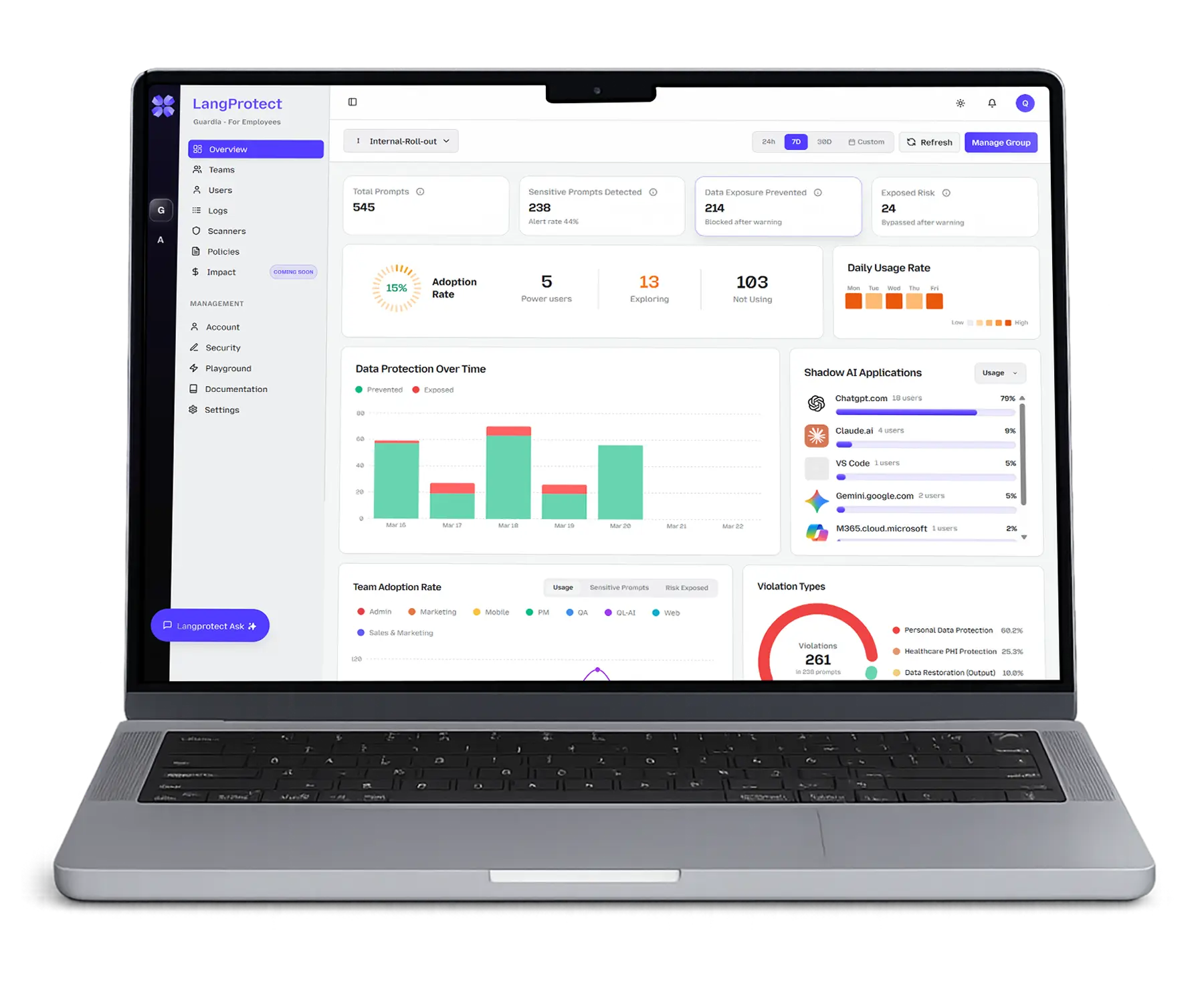
An enterprise AI security and governance platform delivering real-time activity visibility, runtime policy enforcement, agent guardrails, sensitive-data protection, and audit-ready controls across LLM applications and MCP-enabled workflows.
From AI Agent Discovery to Secure Enterprise Deployment
Our enterprise delivery framework validates use cases, engineers governed agentic architectures, integrates core systems, and operationalizes secure AI agents with measurable automation, reliability, and time-to-value.
1
Use-Case Discovery & Value Mapping
We identify high-impact workflows, quantify automation potential, define autonomy thresholds, and establish KPIs, risk parameters, data dependencies, and an enterprise AI agent development roadmap.
2
Data & Knowledge Readiness
We assess enterprise data quality, access permissions, knowledge sources, metadata, retrieval requirements, and governance constraints to create secure, context-grounded agent intelligence.
We build a functional agent prototype to validate reasoning quality, workflow execution, system interoperability, latency, token economics, user acceptance, and measurable business outcomes.
5
Security, Governance & Guardrails
We implement zero-trust access, RBAC, encryption, PII controls, prompt-injection defense, policy enforcement, audit logging, approval gates, and enterprise AI agent security solutions.
6
Enterprise Systems Integration
Agents are integrated with ERP, CRM, ITSM, data platforms, legacy applications, APIs, event buses, and identity systems using resilient, permission-aware integration layers.
7
Evaluation, Testing & Red Teaming
We execute automated evaluations, adversarial testing, hallucination analysis, retrieval benchmarking, load testing, failure-mode validation, and compliance checks before production release.
8
Deployment, LLMOps & Optimization
Our enterprise AI agent deployment consultants operationalize agents through cloud-native infrastructure, CI/CD, observability, drift monitoring, cost governance, incident management, and continuous performance optimization.
Deploy HIPAA-aligned clinical, administrative, and revenue-cycle agents for patient triage, documentation, claims processing, care coordination, and knowledge retrieval across EHR and healthcare data ecosystems.
Deploy HIPAA-aligned clinical, administrative, and revenue-cycle agents for patient triage, documentation, claims processing, care coordination, and knowledge retrieval across EHR and healthcare data ecosystems.
Engineer secure financial agents for KYC, AML monitoring, fraud detection, underwriting, reconciliation, portfolio intelligence, and customer operations with explainability, audit trails, and policy-based access controls.
Implement commerce agents for product discovery, dynamic merchandising, inventory intelligence, order orchestration, customer service, and personalized recommendations across storefront, CRM, ERP, and fulfilment platforms.
Embed multi-tenant AI agents into SaaS platforms for intelligent onboarding, customer support, workflow automation, product analytics, and contextual assistance using API-first architectures and granular tenant isolation.
Modernize citizen services through governed AI agents for case management, document processing, regulatory analysis, service routing, and interdepartmental workflows across secure, compliance-intensive government environments.
Enterprise AI Agents Engineered for Security, Control and Regulatory Readiness
Embed zero-trust access, policy enforcement, auditability, and lifecycle governance to reduce model risk, protect sensitive data, and accelerate compliant enterprise AI agent deployment.
GDPR
UK GDPR
CCPA/CPRA
ISO/IEC 27701
India DPDP Act
GDPR
UK GDPR
CCPA/CPRA
ISO/IEC 27701
India DPDP Act
ISO/IEC 27001
SOC 2
NIST CSF 2.0
CSA STAR
CIS Controls
ISO/IEC 27001
SOC 2
NIST CSF 2.0
CSA STAR
CIS Controls
ISO/IEC 42001
NIST AI RMF
EU AI Act
OECD AI Principles
ISO/IEC 42001
NIST AI RMF
EU AI Act
OECD AI Principles
OWASP Top 10 for LLM Applications
MITRE ATLAS
OWASP ASVS
AI Verify
OWASP Top 10 for LLM Applications
MITRE ATLAS
OWASP ASVS
AI Verify
OAuth 2.0
OpenID Connect
SAML 2.0
SCIM
Okta
Microsoft Entra ID
HashiCorp Vault
OAuth 2.0
OpenID Connect
SAML 2.0
SCIM
Okta
Microsoft Entra ID
HashiCorp Vault
HIPAA
HITRUST CSF
PCI DSS
GLBA
SOX
FHIR
HIPAA
HITRUST CSF
PCI DSS
GLBA
SOX
FHIR
AWS
Microsoft Azure
Google Cloud
Kubernetes
Terraform
Cloudflare
AWS
Microsoft Azure
Google Cloud
Kubernetes
Terraform
Cloudflare
\
Microsoft Purview
Collibra
OpenTelemetry
MLflow
Splunk
Datadog
Microsoft Purview
Collibra
OpenTelemetry
MLflow
Splunk
Datadog
Enterprise AI Agent Engineering Expertise
Why Enterprises Choose Quokka Labs for AI Agent Development Services
Quokka Labs combines agentic architecture, enterprise integration, AI security, and production-grade LLMOps to accelerate deployment, reduce operational risk, and deliver measurable automation across mission-critical workflows.
Enterprise Agent Architecture
We design modular agentic systems using supervisor-worker patterns, event-driven orchestration, persistent memory, tool calling, and deterministic fallback mechanisms for resilient enterprise execution.
Domain-Grounded Intelligence
Enterprise RAG, knowledge graphs, vector retrieval, and contextual memory ground agent responses in authorized business data, improving relevance, explainability, and decision accuracy.
Security-by-Design Engineering
Zero-trust access, RBAC, encryption, prompt-injection defense, PII redaction, policy guardrails, and audit logging secure agents across models, tools, data sources, and runtime environments.
Complex Enterprise Integrations
We integrate AI agents with ERP, CRM, ITSM, data warehouses, legacy platforms, proprietary APIs, and cloud services without disrupting existing operational architecture.
Production-Grade LLMOps
Automated evaluation, CI/CD pipelines, model routing, observability, drift monitoring, token-cost governance, and incident controls support reliable AI agent deployment at enterprise scale.
Outcome-Led Delivery
Our phased delivery model validates business value, autonomy thresholds, security requirements, and operational readiness before scaling agents from proof of value to production.
We engineer governed AI agents that execute complex workflows reliably, integrate with enterprise systems, and remain observable, secure, and optimized throughout their operational lifecycle.
Technology Stack for Secure, Scalable Enterprise AI Agent Development
Our composable AI stack unifies foundation models, agent orchestration, retrieval, observability, security, and cloud-native infrastructure to accelerate deployment, improve reliability, and govern autonomous workflows at scale.
OpenAI
Enterprise AI Agent Intelligence
Insights for Secure, Scalable Enterprise AI Agent Systems
Explore agent architecture, enterprise RAG, governance, security, and LLMOps strategies that reduce implementation risk, improve production reliability, and accelerate measurable AI adoption.
The Complete Guide to AI Chatbot Development for Enterprise
This guide explains AI Chatbot Development for Enterprise, including chatbot types, development steps, cost ranges,...
Trusted by Enterprises Building Secure, Production-Grade AI Agents
Quokka Labs combines enterprise AI agent development services, cloud-native engineering, and governance frameworks to accelerate production deployment, reduce operational risk, and scale intelligent automation across mission-critical workflows.
0+
Years of Product Engineering Experience
0+
Digital Products and Platforms Delivered
0+
Client Retention Rate
0+
Enterprise AI and Cloud Experts
Start Your Enterprise AI Agent Initiative
Ready to Operationalize Secure AI Agents Across Your Enterprise?
Engage Quokka Labs to validate priority use cases, define governed agent architecture, reduce deployment risk, and accelerate secure automation across enterprise data, applications, and mission-critical workflows.
24-Hour Response
Senior Technical Consultation
200+ Products
Digital Platforms Delivered
99% Client Retention
Long-Term Technology Partnerships
Book Your Free Enterprise AI Agent Assessment
Enterprise AI Agent Development FAQs
When should an enterprise build a custom AI agent instead of using an off-the-shelf copilot?
Choose custom AI agent development services for enterprises when workflows require proprietary data, domain-specific reasoning, multi-system execution, granular permissions, deterministic controls, or differentiated intellectual property. Off-the-shelf copilots are better suited to standardized, low-risk productivity use cases.
Can AI agents integrate with legacy ERP, CRM, ITSM, and data platforms?
Yes. AI agents for enterprise can connect through APIs, event buses, middleware, robotic automation, database connectors, and Model Context Protocol interfaces. Production architecture should preserve existing identity, authorization, transaction integrity, and system-of-record controls rather than bypassing them.
How should enterprises secure autonomous AI agents?
Apply least-privilege access, RBAC or ABAC, secrets management, retrieval-time permissions, prompt-injection defenses, output filtering, tool-execution approvals, audit trails, and runtime monitoring. High-impact actions should include human approval gates, escalation policies, and deterministic fail-safe mechanisms.
How long does enterprise AI agent development and deployment take?
A focused proof of value may take several weeks; production deployment depends on workflow complexity, data readiness, integrations, security reviews, and compliance requirements. Enterprise AI agent deployment consultants should phase delivery through discovery, validation, controlled rollout, observability, and continuous optimization.
Do enterprise AI agents require RAG, fine-tuning, or both?
The choice depends on the use case. RAG grounds responses in current enterprise knowledge, while fine-tuning adapts model behavior or specialized task performance. Many production systems combine retrieval, prompt engineering, model routing, structured tools, and targeted fine-tuning.
How should buyers evaluate AI agent development services enterprise companies offer?
Assess production deployments, enterprise integration expertise, security architecture, evaluation methodology, model portability, governance controls, LLMOps maturity, and post-launch support. Require clear ownership of source code, data, prompts, orchestration logic, observability assets, and deployment infrastructure.
How do enterprises measure whether an AI agent is production-ready?
Measure task-completion accuracy, groundedness, tool-execution success, latency, escalation frequency, security violations, cost per workflow, and business KPI improvement. Production readiness also requires adversarial testing, permission validation, auditability, rollback procedures, monitoring, and defined human-oversight thresholds.